Let’s be real—agar aapka software sell karne ke liye user ko mandatory demo call schedule karna pad raha hai, CAC skyrockets ko touch kar raha hai, aur conversion rates pathetic hain… toh problem aapke marketing budget mein nahi hai. Problem aapke sales-led friction aur missing Product-Led Growth Rules ko ignore karne mein hai, no cap!
Most SaaS founders believe that hiding products behind sales forms creates enterprise exclusivity. But product-led growth pioneer and author Wes Bush, in his category-defining book “Product-Led Growth: How to Build a Product That Sells Itself,” exposes a brutal modern reality: Users want to experience value before paying for it. True enterprise scale happens when your software acts as the primary driver of acquisition, retention, and expansion through strict self-serve Rules.
When you let users try the product instantly without friction, customer acquisition costs plummet and viral adoption kicks in. Reclaiming your software margin means letting your product do the heavy lifting under product-led Rules.
[Sales-Led Friction Trap] ──> Demo Bookings ──> Bloated CAC ──> High Conversion Churn
[Bush’s PL Rules OS] ──> Self-Serve Try ──> Instant Value ──> Unstoppable Product Scale
The Core Engine: The 3 Pillars of Product-Led Growth
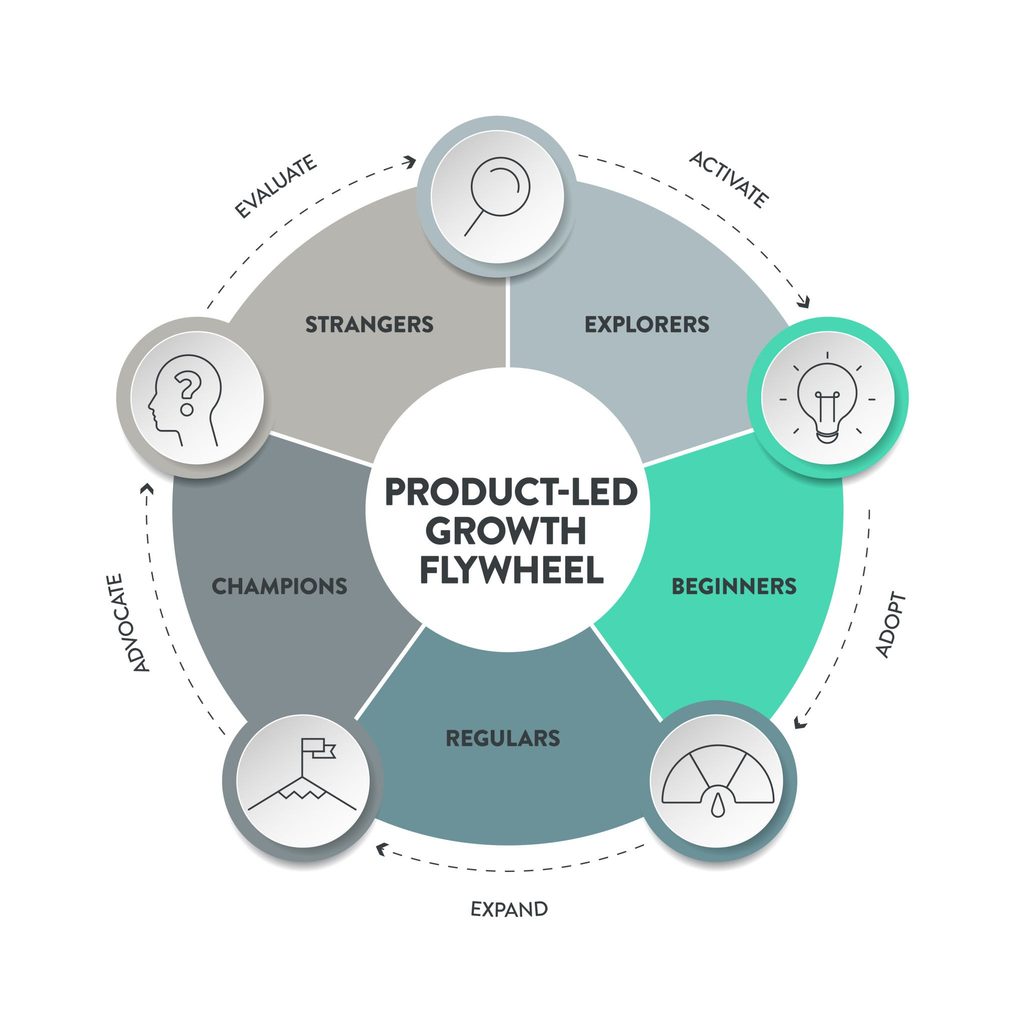
Wes Bush breaks down product-led scaling through three non-negotiable operational components:
The Free Model Selection (Freemium vs. Free Trial)
Deciding the right entry point. Freemium provides ongoing value with feature/usage gates to capture vast top-of-funnel reach, while Free Trials offer time-bound full access to create urgency.
Value Realization Speed (Time-to-Value / TTV)
Minimizing the exact time and clicks it takes for a new signup to hit their “Aha! Moment”—the precise instant they experience the core value promised by your software.
The MOAT Framework
Differentiating your software by building a defensive barrier through Market Strategy, Overcoming Friction, Audience Alignment, and Trust-building onboarding workflows.
Sales-Led Friction Trap vs. Bush’s PL Rules
| Dimension | Sales-Led Friction Trap | Bush’s PLG Rules |
| Buyer Access | Requiring “Book a Demo” forms and SDR calls to see product. | Instant self-serve signup with zero credit card friction. |
| Growth Driver | Expensive sales reps and paid performance marketing. | End-user product viral loops and product usage analytics. |
| Primary Metric | Marketing Qualified Leads (MQLs) and sales pipeline. | Product Qualified Leads (PQLs) and Time-To-Value speed. |
| Go-To-Market | High CAC, long sales cycles, and fragile pipeline. | Low CAC, rapid self-serve adoption, and scalable rules. |
3-Step Protocol to Master PL Rules
Deploy Wes Bush’s core product-led principles starting today to unlock self-serve scale:
Step 1: Identify and Eliminate Signup Friction
Remove all unnecessary steps standing between the user and your product’s core value.
- Action: Conduct a click-audit of your signup flow. Eliminate email verification gates, mandatory phone number fields, or lengthy onboarding surveys.
Step 2: Track “Product Qualified Leads” (PQLs)
Stop passing cold leads to sales based purely on ebook downloads or webinar views.
- Action: Define your PQL benchmark—the specific actions a free user takes inside the software (e.g., “Created 3 workflows and invited 2 team members”) that signal high readiness for a paid plan upgrade.
Step 3: Optimize the “Aha! Moment” Journey
Design your onboarding experience strictly to guide users to value as fast as possible.
- Action: Build empty-state templates and guided tooltips that prompt users to complete their primary task within their first 3 minutes inside the app.
Final Verdict: Let the Product Sell, Scale Without Limits
At the end of the day, 2026 un sovereign founders ka hai jo outdated sales-led friction ko mute karke self-serve velocity choose karte hain. Modern buyers don’t want to be sold to—they want to try, buy, and scale on their own terms.
Drop high-friction lead forms, master Wes Bush’s PLG, enforce your product-led rules, aur humesha iconic raho.