We’ve all been there. You’re at a dinner, or maybe just scrolling through your texts, and you realize a friend isn’t just “having a bad day.” Something in their voice, the way they’re avoiding eye contact, or the heavy silence between their words tells you they are drowning.
Most of us know exactly what to do if that same friend tripped and scraped their knee. We’d grab a Band-Aid, some antiseptic, and maybe an ice pack. But when the wound is emotional or psychological? Stop and think. It’s easy to hesitate when a friend is spiraling. We often dread the awkwardness of overstepping or the risk of miscalculating the situation entirely. We tend to rationalize our silence, telling ourselves, “We aren’t professionals; we’ll only make it worse.”
Here is the truth: You don’t need a PhD to be a lifeline. Mental Health First Aid (MHFA) isn’t about diagnosing your friends or fixing their trauma. It’s about being the bridge between a moment of crisis and professional help. It’s about keeping someone safe and seen until the “paramedics” of the mind can take over.
The “ALGEE” Framework: Your Mental First Aid Kit
Just like CPR has its steps, Mental Health First Aid uses an acronym called ALGEE. It’s a roadmap for those moments when your brain goes blank because you’re worried about someone you love.
1. Approach, Assess for Risk of Harm
This is the hardest step. It requires bravery. If you notice someone is acting out of character—perhaps they’ve stopped showing up to things, or they’re talking about feeling hopeless—you have to approach them.
Don’t wait for the “perfect” time; there isn’t one. Find a quiet space and be direct.
Human Tip: Assessing for risk doesn’t mean being a detective. It means asking, “I’ve noticed you’ve been really quiet lately, and I’m worried. Are you thinking about hurting yourself?”
Contrary to popular myth, asking someone if they are suicidal doesn’t “put the idea in their head.” Usually, it provides an immense sense of relief that someone finally noticed.
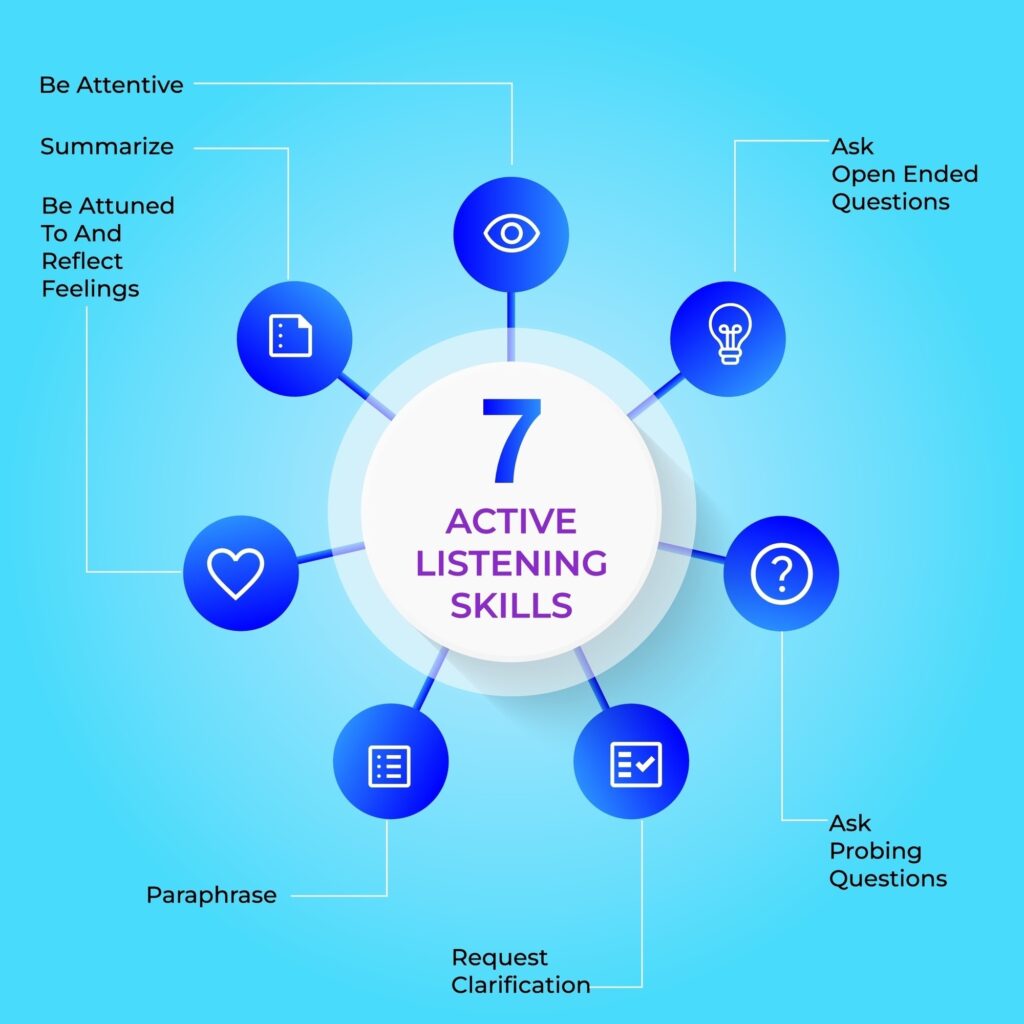
2. Listen Non-Judgmentally
Most of us listen with the intent to reply. In Mental Health First Aid, you listen with the intent to understand.
When someone is in pain, they don’t usually want a solution right away. They want to know that their feelings make sense. Avoid saying things like “Look on the bright side” or “It could be worse.” That’s what we call toxic positivity. Instead, try: “That sounds incredibly heavy. I can see why you feel that way.”
3. Give Reassurance and Information
Once they feel heard, you can provide a bit of grounding. Reassure them that what they are experiencing is a medical/psychological issue, not a character flaw. Remind them that hope is real and that help is available.
You aren’t giving a lecture; you’re just holding a flashlight in a dark room.’
4.Encourage Appropriate Professional Help
This is where the “bridge” comes in. You might say, “I’m here for you, but I’m not an expert. Why don’t we look for a therapist together?” Help can look like many things:
- Primary care doctor
- Certified Counselors & Psychologists
- Support Groups
- Crisis hotlines
5.Encourage Self-Help and Other Support Strategies
Mental health isn’t just about doctors; it’s about community. Encourage them to lean on their “team”—family, friends, or even spiritual communities. Suggest small, manageable self-care steps, like a walk or a consistent sleep schedule, but don’t force it.
Breaking the Stigma: Why We Hesitate
Why is it that we feel comfortable bringing a casserole to someone with a broken leg, but we disappear when someone has a depressive episode?
It’s the stigma. We’ve been conditioned to view mental health as a “private” or “shameful” matter. We treat the brain as if it isn’t part of the body. But the brain is an organ, and just like the heart or the lungs, it can get sick.
When we practice Mental Health First Aid, we are actively chipping away at that stigma. We are saying, “Your struggle is valid, and I am not afraid of it.”
Common Signs Someone Might Need Help
Sometimes the signs aren’t as obvious as tears. Keep an eye out for these “red flags” in your friends, coworkers, or family:
| Category | What to Look For |
| Physical | Constant fatigue, neglected hygiene, significant weight changes. |
| Emotional | Irritability, extreme mood swings, feeling “numb” or empty. |
| Behavioral | Withdrawing from social circles, increased alcohol/drug use, giving away possessions. |
| Cognitive | Difficulty concentrating, persistent negative thoughts, “brain fog.” |
The Boundaries of a “First Aider”
I want to be very clear about one thing: You cannot pour from an empty cup.
Being a Mental Health First Aider doesn’t mean you become a 24/7 on-call therapist. It doesn’t mean you take on the weight of someone else’s life until you break.
- Know your limits: If you feel overwhelmed, you need to “hand off” to a professional.
- Safety first: If someone is in immediate physical danger, call emergency services. Do not try to handle a violent or life-threatening situation alone.
- Self-care is a prerequisite: After helping someone through a crisis, you will feel drained. Give yourself permission to decompress.
“You are a supporter, not a savior. Your role is to point the way to the light, not to carry the person out of the cave on your back.”
Practical Phrases to Use (And What to Avoid)
Communication is the primary tool in your kit. Here’s a quick cheat sheet for your next “checked-in” conversation.
Instead of saying:
- “Just stay positive!”
- “Everything happens for a reason”
- “I know exactly how you feel.” (Unless you truly do, this can feel dismissive).
- “Why are you acting like this?”
Try saying:
- “I’ve noticed you haven’t been yourself lately. How are you really doing?”
- “I’m here to listen, and I’m not going to judge you.”
- “It’s okay not to be okay.”
- “What can I do right now to make things even 1% easier for you?”
The Power of Presence
At the end of the day, Mental Health First Aid isn’t about having all the answers. It’s about presence.
We live in a world that is increasingly connected by fiber-optic cables but disconnected by loneliness. Sometimes, the most “first aid” thing you can do is sit on a porch in silence with someone so they don’t have to be alone with their thoughts.
By learning these basics, you aren’t just becoming a better friend; you’re becoming a safer person for the world to be around. You’re building a culture where it’s okay to struggle and where help is never out of reach.
Next time you see that “look” in someone’s eyes—that shadow of a struggle they aren’t talking about—don’t look away. Take a breath, remember your ALGEE, and just reach out. You might just save a life.