Let’s be real—jab bhi koi trendy stock hype pakadta hai, hum sabse pehle uske “Profit and Loss” ya viral success stories ko check karte hain. Reel scroll karte hi koi cool creator bolega, “This company’s sales are up by 200%, invest now!” Aur hum bina soche samjhe apna capital deploy kar dete hain. Par reality check? Sirf P&L dekh kar invest karna is giving total incomplete matrix energy, no cap! 2026 ke is hyper-vibe market mein, aisi andhadhundh decisions se portfolio crash out hona pakka hai.
Hum sochte hain ki corporate statement read karna kisi premium elite accountant ka kaam hai. Bilkul nahi, fam! Company ka asli sach uski Balance Sheet ke andar chhupa hota hai. P&L sirf ek temporary hype story hai jo batati hai ki is saal kitna cash aaya, par balance sheet company ka ultimate health card hai jo uski lifetime core strength dikhata hai. Apni Main Character Energy ko summon karo aur fake financial trends ko permanent bypass karo. Aaj hum seekhenge core balance sheet architecture ko filter karna, taaki aapka wealth bag humesha safely locked rahe!
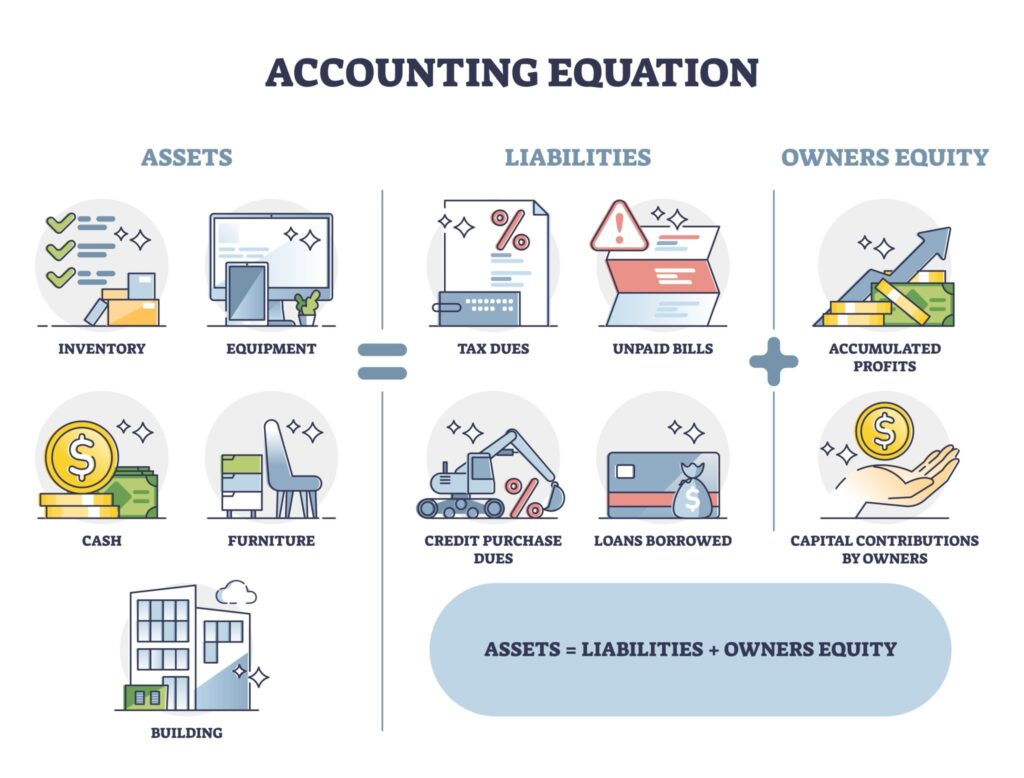
Decoding the Matrix: The Three Core Blocks of Corporate Reality
Sabse pehle balance sheet ka fundamental blueprint screen karte hain. Yeh statement ek simple equation par balancing run karta hai: Assets = Liabilities + Equity.
Assets (What the Company Owns) ──> Equals ──> Liabilities (What They Owe) + Equity (Shareholders’ Fund)
System Balancing Check ──> Total Left Side Must Equal Total Right Side (Perfect Sync)
- Assets: Yeh company ki properties hain—jaise cash, factories, patents, aur inventory jo future mein value generate karegi.
- Liabilities: Yeh unke sar par betha udhaar, pending bills, aur corporate obligations hain.
- Equity: Yeh company ke original promoters aur aap jaise retail shareholders ka actual net-worth pool hai.
Scanning the Asset Layer: Separating Real Juice from Ghost Inventory
Hamein lagta hai saare assets iconic hote hain, par yahin par sabse bada trap loop active hota hai. Hamein scan karna hai ki unke paas kitne Current Assets (jo quickly 1 saal mein cash ban sakein) hain.
- The Trap: Kuch companies apna useless stock ya un-collected payments (receivables) assets column mein hide karke rakhti hain taaki paper par status flex lag sake.
- The Filter: Agar company ke paas “Cash and Cash Equivalents” ka balance high hai, toh it’s high-vibe.
- The Logic: Crash situations mein cash hi company ko survive karwata hai, fake physical structures nahi.
Auditing the Borrowings Loop: The Toxic Liability Firewall
Startup ecosystem mein wahi companies mass-level par drop-out hoti hain jinpar heavy short-term loans pressure load hota hai.
- The Operational Bug: Always match Current Liabilities against Current Assets. Agar short-term bills cash reserves se zyada hain, toh system crash imminent hai.
- The Metric: Compute the Current Ratio (Current Assets divided by Current Liabilities). Ideally, yeh
greater than 1hona chahiye. - The Takeaway:
Less than 1ratio means company daily expenses manage karne ke liye struggling state mein hai. Total red flag setup, run away fast!
Retained Earnings Analysis: Tracking the Compounding Stash
Checklist ka step-4 dikhata hai ki management business se generate hone waale capital ko kaise treatment de rahi hai. Equity segment mein ek key filter line hoti hai: Retained Earnings.
- The Definition: Yeh woh pure profit ka hissa hai jo company ne dividends mein distribute nahi kiya, balki business growth ke liye vault mein safe rakha hai.
- The Trend: Agar Retained Earnings ka graph saal-dar-saal continuously increase ho raha hai, toh it’s a massive win.
- The Sign: Yeh show karta hai ki management low-key sustainable mode par capital organic multiply kar rahi hai. Absolute top-tier performance index!
Installing the Safety Alarm: Spotting Hidden Contingent Liabilities
Balance sheet ka final checklist item sabse hidden spot mein baitha hota hai jise generic retail investors completely ignore kar dete hain—Footnotes.
- The Glitch: Balance sheet ke sabse bottom mein ek microscopic term hoti hai: Contingent Liabilities.
- The Threat: Yeh woh heavy taxes ya court cases ke penalties hain jo abhi confirm nahi hain par future mein company par ekdum se heavy burst damage de sakte hain.
- The Action: Reading a balance sheet: protect your wealth safely ka baseline rule yahi hai ki jo data clear columns mein nahi dikhta, wahi aapke invest kiye capital ko background se liquidate karta hai. Footnotes check karna mandatory flex hai!
Final Verdict: Mute the Noise, Trust the Balance Sheets
At the end of the day, safe investing hype tracking se nahi, balki structural financial reporting read karne se setup hoti hai.
Shady promotion clips ko feed se eject karo, analyze the core mathematical equations, load personalized balance sheet filters, safeguard your generational capital bag, and hamesha iconic raho.