Let’s be real—agar aap financial media ke glossy narratives, institutional rating agencies, aur Wall Street ke hype-train ko blindly follow kar rahe ho, bina actual underlying assets ki reality check kiye… toh aap investing nahi kar rahe, aap bas ek systemic trap mein blind trust rakh rahe ho, no cap!
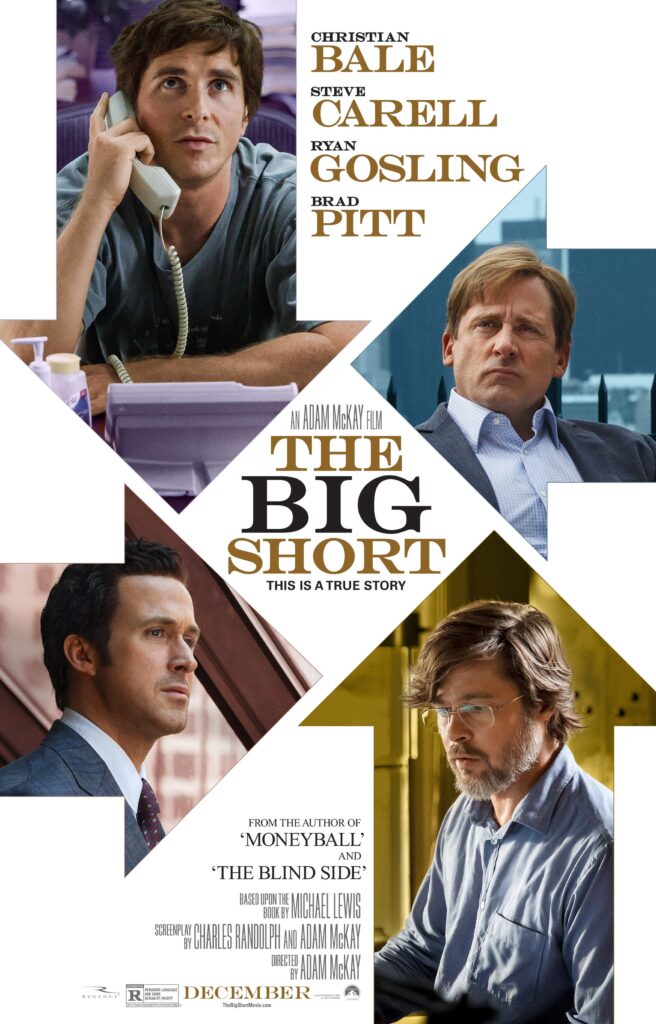
Most people believe Wall Street is an infallible machine powered by genius mathematics. But financial journalist Michael Lewis in his legendary book “The Big Short: Inside the Doomsday Machine” exposed a chilling reality: The entire global financial system was built on a house of cards, inflated by toxic subprime mortgages, corrupt incentives, and widespread delusion.
The handful of contrarians who saw the 2008 crash coming—like Dr. Michael Burry, Steve Eisman, and Greg Lippmann—didn’t predict the future using magic. They simply did what nobody else bothered to do: They read the actual data.
[Institutional Hype Trap] ──> Blind Consensus ──> Ignoring Raw Data ──> Total Wealth Destruction
[The Big Short Truth OS] ──> Independent Audit ──> First-Principles Thinking ──> Asymmetrical Triumph
What Are the Core Lessons of The Big Short?
Michael Lewis’s chronicle reveals three foundational truths that every investor must master to achieve true financial sovereignty:
I. The Danger of Incentive Misalignment
When rating agencies (like Moody’s and S&P) get paid by the banks issuing the bonds, AAA ratings mean nothing. When brokers earn commissions on toxic loans regardless of default rates, quality collapses. Always follow the incentive structure before trusting any financial product.
II. The Power of First-Principles Independent Thinking
Dr. Michael Burry didn’t rely on Wall Street analyst reports—he manually read hundreds of individual mortgage bond prospectuses. While the entire financial world assumed housing prices could never fall nationally, Burry saw that the underlying mortgages were worthless.
III. Being Early and Being Right Look Identical (Until the Crash)
When you take a contrarian stance based on truth, the crowd will call you crazy, and short-term mark-to-market losses will test your resolve. Solvency and conviction management are just as critical as fundamental analysis.
Institutional Herd Mindset vs. Big Short Truth
Audit your financial evaluation process using this diagnostic framework:
| Dimension | Institutional Herd Mindset | Big Short Truth |
| Data Source | Headlines, analyst ratings, social media consensus. | Raw balance sheets, cash flow statements, primary prospectuses. |
| Risk Assessment | Assuming high liquidity and high prices mean low risk. | Looking for hidden tail-risk and systemic fragility beneath the surface. |
| Core Bias | Groupthink (“Everyone else is doing it, so it must be safe”). | Radical independence (“Verify the data yourself, line by line”). |
| Investment Edge | Chasing momentum at peak market valuations. | Seeking asymmetric downside protection with massive upside payoff. |
3-Step Protocol to Master Financial Truth Today
Deploy these three actionable habits to protect your capital and find structural truth in any market starting today:
Step 1: Execute the “Read the Prospectus” Rule
Never invest in a financial product, fund, or asset you cannot explain in simple terms to a 10-year-old. Before committing capital, ignore promotional pitch decks and read the underlying documentation, balance sheet liabilities, and fee structures.
Step 2: Conduct an Incentive Audit
Before taking advice from any broker, financial advisor, or online creator, ask two critical questions:
- How does this person make money if I follow their advice?
- Do they have real skin in the game (personal capital allocated) or are they just collecting a fee?
Step 3: Hunt for Asymmetric Risk/Reward Setups
Look for scenarios where your potential downside is fixed and capped, but the upside is multi-fold. Protect your principal above all else, and only deploy significant capital when the probability-weighted odds are overwhelmingly in your favor.
Final Verdict: Truth Beats Hype Every Time
At the end of the day, 2026 un sovereign decision-makers ka hai jo wall street narratives aur crowd consensus ko drop karke raw truth and fundamental math choose karte hain. Truth doesn’t care about market sentiment—eventually, reality wins out.
Drop the blind trust, master the lessons of The Big Short, protect your capital, aur humesha iconic raho.